There is a paradox at the heart of health that stays hidden for most people.
The things that make the body stronger are not the things that protect it from all challenge. They are the things that challenge it at exactly the right dose, and then step back to let it respond.
This is not a new idea. It has been woven into the fabric of living things since the beginning. Modern biology has simply given it a name: hormesis.
What Hormesis Actually Means
The word comes from the Greek hormaein, meaning to set in motion, to excite, to urge forward.
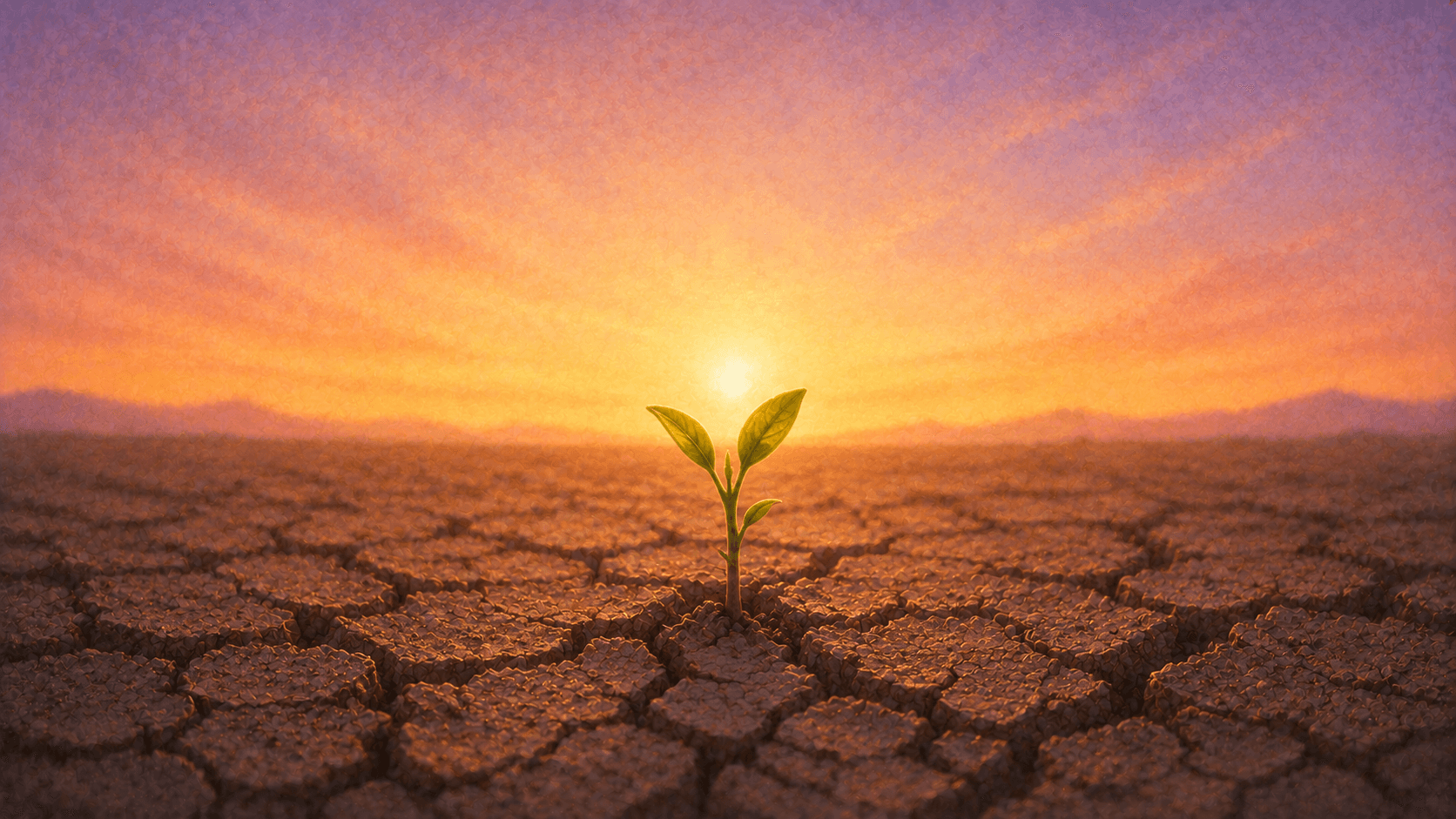
Hormesis describes a biological response observed across virtually every living system studied: a small amount of stress does not weaken the organism. It strengthens it. The body encounters a manageable challenge, recognizes it as a signal, and responds by building a more capable version of itself.
Too little challenge and the system grows weak. Too much and it breaks down. But within the optimal range, enough pressure to demand a response, not so much that recovery is overwhelmed, the organism emerges more resilient than before.
The most familiar example is exercise. When you train, you do not simply use the body. You stress it. Muscles are damaged at the microscopic level. Energy stores are depleted. Free radicals increase. And yet, after recovery, the body returns stronger, with denser muscle, greater cellular energy capacity, better insulin sensitivity, and improved cardiovascular fitness.
The exercise itself did not create the strength. The body's response to the challenge created it.
That is hormesis.
The Cellular Language of Adaptation
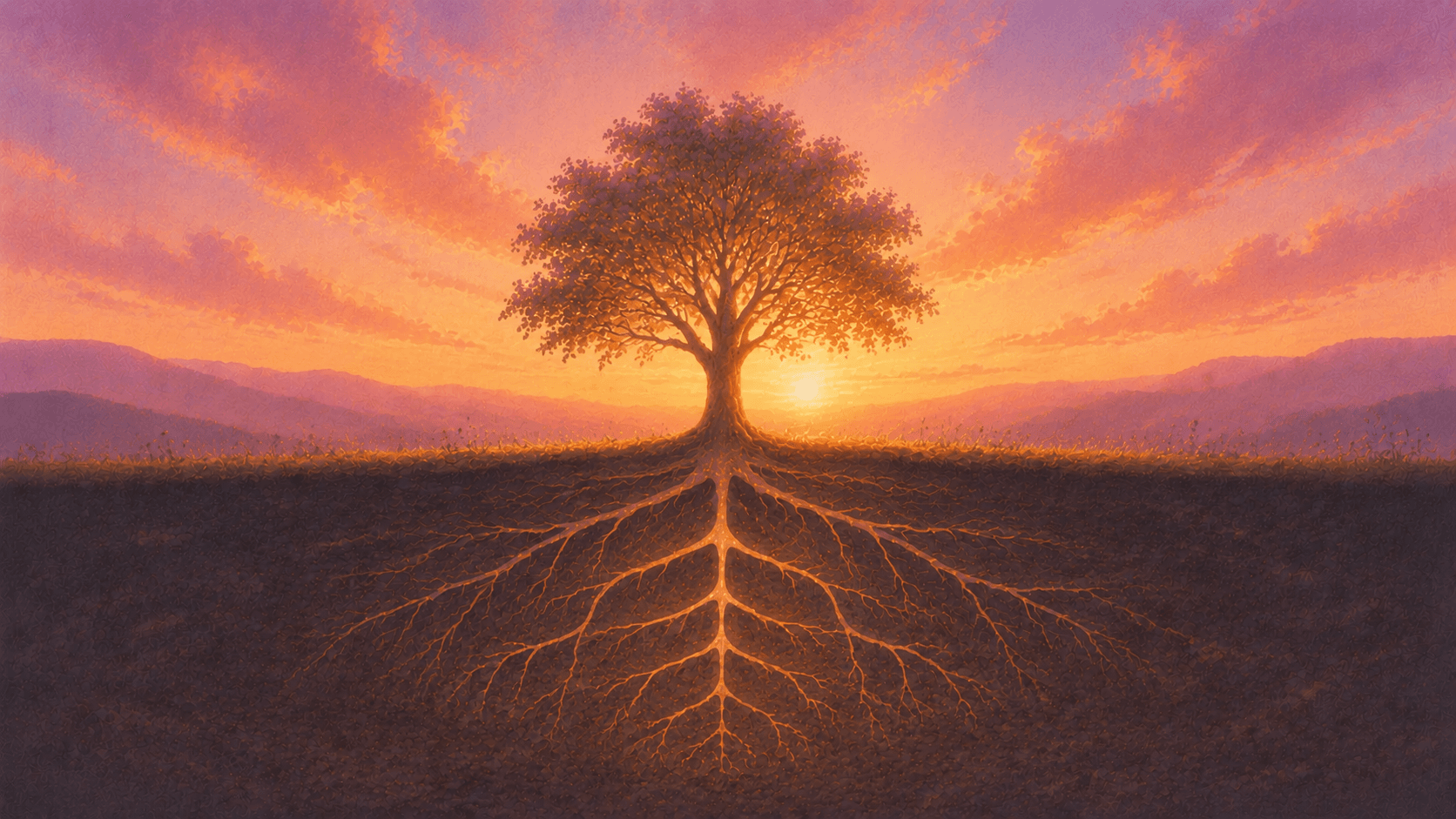
When the body encounters a manageable challenge, a workout, a period of fasting, a brief exposure to cold, or consuming certain plant compounds, something remarkable happens inside the cell. Rather than simply enduring the stress, the cell treats it as a signal. A signal that says: conditions are demanding. Now is the time to repair, strengthen, and prepare. In response, the body activates a network of internal systems that would otherwise remain quiet.
One system called NRF2 acts like a master switch for the body's own antioxidant defenses, triggering the production of protective compounds that no supplement can replicate from the outside.
AMPK is another one that acts as an energy sensor, detecting that resources are being stretched and responding by improving how efficiently the body burns fuel and produces energy.
A third set of proteins, Sirtuins, sometimes called longevity proteins, help regulate DNA repair, reduce inflammation, and support the health of the cell's energy-producing structures.
And a fourth process, autophagy, acts like the cell's own housekeeping crew, clearing out damaged components, worn-out structures, and cellular debris that would otherwise accumulate and accelerate aging.
What makes this extraordinary is that these systems do not work in isolation. When one activates, it tends to wake up the others. The mild stress that triggers one repair pathway tends to trigger them all, simultaneously, in coordination, as a single integrated response.
The body, when challenged at the right dose, does not merely cope. It develops, strengthens, and rebuilds.
Why Plants Are Part of This Story
Plants cannot run from danger.
They cannot escape insects, fungi, ultraviolet radiation, drought, or disease. Rooted in place for hundreds of millions of years, they survived every threat their environment could produce, not by fleeing, but by developing an extraordinary internal chemistry.
Think of each plant as a kind of living pharmacy.
Over millennia, plants produced thousands of protective compounds to defend themselves against the sun, against predators, against infection, against drought. Scientists call these compounds phytochemicals, plant chemicals.
These compounds evolved for the plant's own survival. However, since human beings have lived alongside plants for millions of years, our bodies learned to recognize these compounds. And many of them interact with our cells in ways that activate our own repair and defense systems.
Not by doing the work for us, but by issuing a challenge.
When you eat broccoli sprouts, onions, turmeric, or blueberries, the compounds in those foods arrive at your cells carrying a message: conditions are demanding. Activate your defenses.
And the cells respond.
Think of it like a fire drill. The drill itself is not a real fire. But running it regularly means that when a real emergency arrives, everyone knows exactly what to do. The response is faster, more coordinated, and more effective than it would have been without the practice.
Plant compounds work similarly. They create a mild, manageable challenge, just enough to wake up the body's repair systems without causing real harm.
Some of the most studied examples:
Sulforaphane, found most abundantly in broccoli sprouts
Does not act as an antioxidant directly. Instead, it signals the cell to produce its own protective compounds, in quantities that last for days after a single meal. It is less like taking a shield and more like training the body to build one.
Quercetin, found in onions, apples, and capers
Supports immune balance, helps the cell manage energy more efficiently, and has shown protective effects on brain function. Its benefits appear most strongly at moderate, consistent dietary amounts, exactly the hormetic sweet spot.
Curcumin, from turmeric
Has been studied extensively for its ability to reduce chronic inflammation and support the body's own DNA repair processes. It is one of the most researched plant compounds in longevity science.
Resveratrol, from red grapes and berries
Activates the longevity proteins we described earlier, promotes cellular energy production, and has been associated with cardiovascular protection.
EGCG, from green tea
Supports the cell's housekeeping processes, helps regulate immune function, and has demonstrated protective effects on both brain and metabolic health.
Allicin, from garlic
Supports the body's detoxification pathways, cardiovascular health, and natural defenses against infection.
Each of these compounds speaks a slightly different chemical language. Each wakes up overlapping but distinct repair systems. And none of them can fully substitute for the others.
This is why eating a wide variety of colorful plants is not simply good nutritional advice. It is a biological strategy, one that ensures the full range of the body's repair and resilience systems are regularly activated, practiced, and kept ready.
The more varied the signals the body receives, the more capable it becomes of responding to whatever challenge arrives next.
What the Physicians Always Understood
The term hormesis was coined in 1943. The observation behind it is ancient.
Hippocrates, the father of Western medicine, taught that "likes are cured by likes," that the body, when exposed to the right challenge, develops the capacity to overcome it. Two thousand years ago, physicians in antiquity practiced what they called Mithridatism, the deliberate exposure to small doses of toxins to build immunity against larger ones. And Friedrich Nietzsche, observing the same principle at the level of human experience, gave us perhaps its most enduring formulation: "What does not destroy me makes me stronger."
Moses Maimonides, rabbi, philosopher, and court physician of the twelfth century, taught that the body requires the right measure of challenge to remain strong. Too much rest weakens it. Too much exertion breaks it. But the right amount of movement, combined with balanced nutrition and emotional moderation, maintains the body's capacity to regulate and repair itself. He was describing the Goldilocks principle eight centuries before science gave it a name.
Each of the physicians who followed arrived at the same observation from a different direction.
John H. Tilden understood that most chronic disease was not caused by a specific invader but by the gradual loss of what he called nerve energy, the body's capacity to regulate and repair itself. The body that had never been challenged appropriately eventually lost the very systems it needed when real stress arrived.
Samuel Hahnemann held that the vital force, the animating principle of the living body, responds to appropriate stimulus by reorganizing itself toward greater balance. The physician's task was not to override the body's responses but to support the force that generated them.
Andrew Taylor Still believed that the body already contains everything it needs to maintain health and heal itself, and that the physician's role is to remove whatever obstructs that capacity. In his own words: "God never placed a disease in the human body without also placing its cure." What we now call hormetic activation was, for Still, that cure working exactly as designed.
And Albert Schweitzer put it most simply:
Each patient carries his own doctor inside him. We are at our best when we give the doctor who resides within each patient a chance to go to work.
Hormesis is, in part, how that inner physician is trained.
The Law of Movement
At The Healing Dawn, we understand these biological mechanisms as expressions of the Law of Movement.
Movement is not optional in a living system. It is the condition of life itself. The body that does not move atrophies. The cell that is never challenged loses its repair capacity. The person who avoids every form of appropriate pressure weakens.
The right pressure creates movement. Movement creates adaptation. Adaptation creates development. Development creates resilience.
But the law carries a harder teaching as well.
If we resist the pressure, if we suppress the symptom without addressing the imbalance, if we avoid the challenge rather than learning from it, if we refuse to adjust and realign, the lesson does not disappear. It returns. More insistent. At a higher price.
The Law of Movement does not negotiate. It simply increases the pressure until movement occurs, one way or another.
Those who choose to move with it grow stronger.
Those who resist long enough will find that the pressure itself becomes the crisis.
Our task, and our invitation, is to work with it rather than against it.
The Healing Dawn | A Center for Transformative Discovery | thehealingdawn.com